
The Value of Art

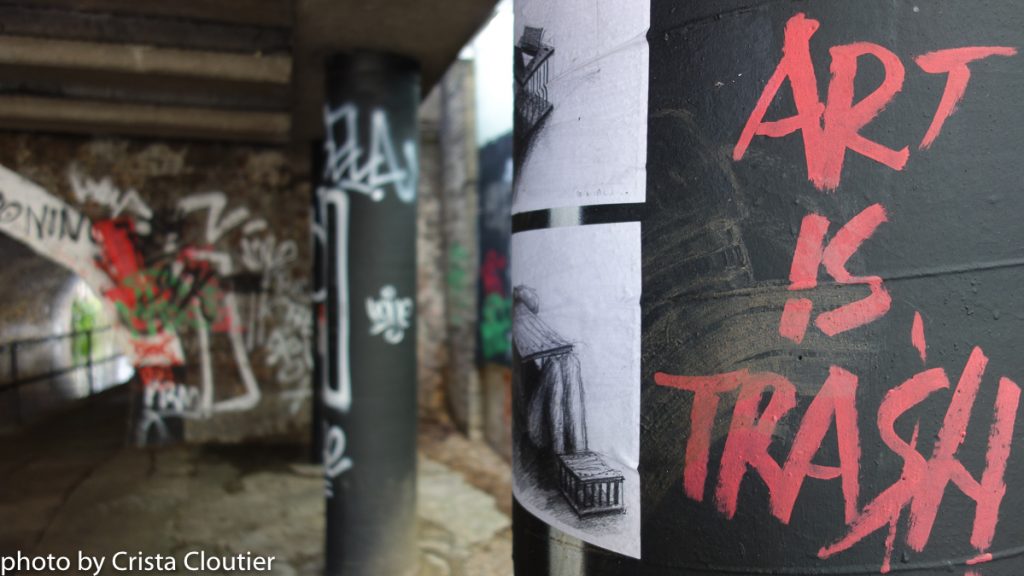
As much as our culture marginalizes art and artists, as much as it dismisses our efforts, and scorns our value to society, our culture also happens to hold art in very high regard.
Art holds profound value, not only setting records as the highest-priced items at auction but also historically symbolizing wealth, status, and prestige across generations. The Working Artist emphasizes that art's deeper significance lies in representing humanity's highest values—truth, beauty, and meaning—making it integral to the very soul of a culture. As Winston Churchill articulated, "The arts are essential to any complete National life," highlighting their indispensable role in sustaining and enriching society.
Think about it.
What holds the highest records for anything ever sold at auction?
Is it cars? No. Jewels? No.
It’s art.
And in households throughout history, what holds the greatest place of prestige and honor? What do families take pride in passing down to future generations? What has continued to symbolize wealth and status?
Art.
There’s that wonderful story of Winston Churchill being asked to sell off the paintings held in the National Gallery to pay for the war effort.
“Then what are we fighting for?” was his answer.
More recently, the veracity of Churchill actually uttering those words has been challenged. But their deeper truth still holds a charge.
Art has value. And that value goes well beyond the monetary into the very soul of a culture.
There exists an old saying that it’s by art that man gets nearest to the angels and farthest from the animals.
These are the values that art represents, our highest human values.
In spite of the fact that we are living in a civilization that values wealth, blind ambition and glib sound bites above truth, beauty and meaning, we have managed to continue our love affair with art.
Art remains important, not only to artists and art-lovers as individuals – but to our culture itself.
And art will always remain important to future generations as they try to understand us.
Churchill, who was an avid painter himself, may not have uttered those famous words. But he did state that, “The arts are essential to any complete National life. The State owes it to itself to sustain and encourage them…iIl fares the race which fails to salute the arts with the reverence and delight which are their due.”
Because without art, what in the world are we fighting for?
Written by Crista Cloutier, artist mentor + founder of The Working Artist. (learn more about Crista here)