Honor Your Creative Journey to Realize Your Artist's Dream

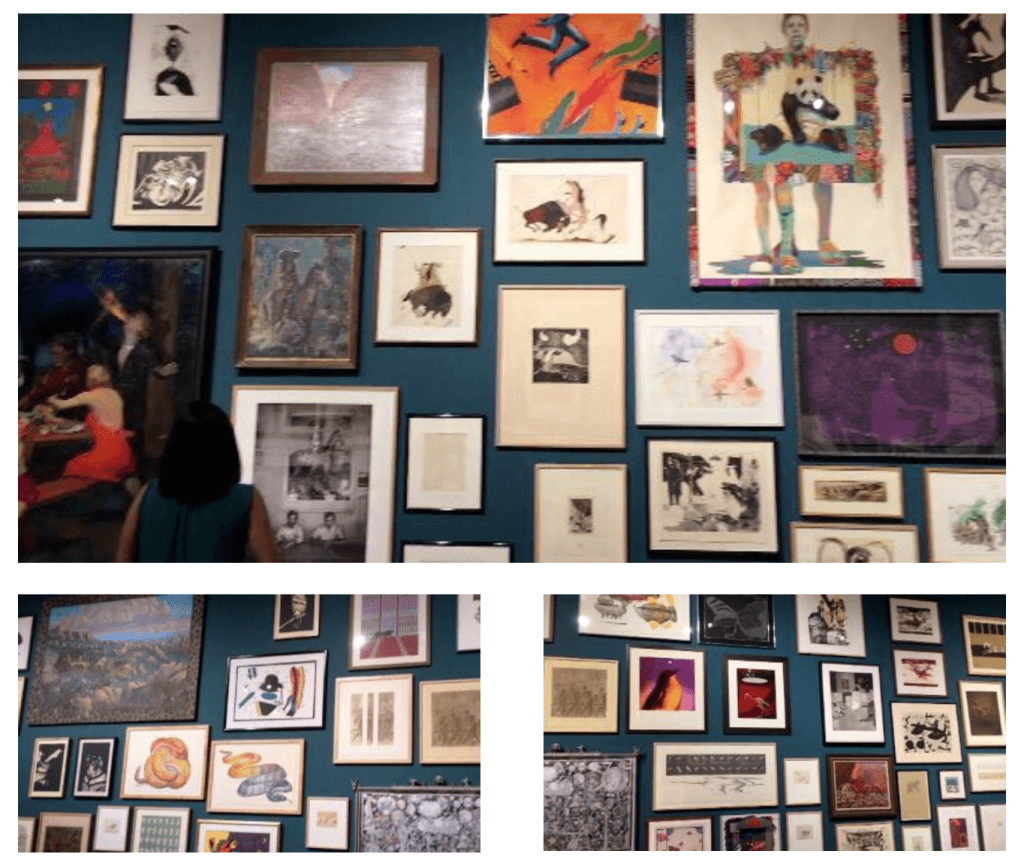
Artists can realize their dreams by honoring their unique and often unpredictable career journey, recognizing that opportunities arise from curiosity and passion rather than a linear plan. The author experienced this firsthand when discovering her past studio's work prominently displayed in a museum, a moment that underscored the value of every step taken. This experience highlights how revisiting past achievements, no matter how small or seemingly haphazard, provides courage and confidence for future endeavors. Just as a complex rug design emerges from chaotic threads, creative careers often unfold through unexpected paths. To fully embrace the future, artists must acknowledge and celebrate their past learning, growth, risks, and achievements, allowing them to stand on their successes rather than disappointments. Your work deserves to be seen, starting with your own recognition of your journey and accomplishments.

Frequently Asked Questions

1 How does the unpredictable nature of an artist's career path lead to success?

The page suggests that an artist's journey, though seemingly haphazard, often leads to an "exquisite design" when viewed in retrospect. Artists are driven by curiosity and passion, following their intuition rather than a linear plan, and showing up to give their best to each opportunity.

2 What was the process for selling artwork created in the studio to museums and galleries?

The studio director's job involved liaising with artists, overseeing production, and then selling the created work to museums, galleries, and collections worldwide. The Scottsdale Museum of Contemporary Art (SMoCA) was one such institution that purchased the studio's archives.

3 What was the collaboration process like between the studio and the artists?

The studio invited artists, both world-famous and emerging, to collaborate with their crew to create original fine-art prints and objects. The director would liaise with the artists, participate in conversations about the ideas, and oversee production details.

4 What was the director's role in introducing artists' work to the marketplace?

The director's role involved liaising with artists, participating in creative discussions, and overseeing production details for fine-art prints and objects. Once the work was ready, she was responsible for selling it to museums, galleries, and collections globally, and introducing emerging artists' work to the marketplace.